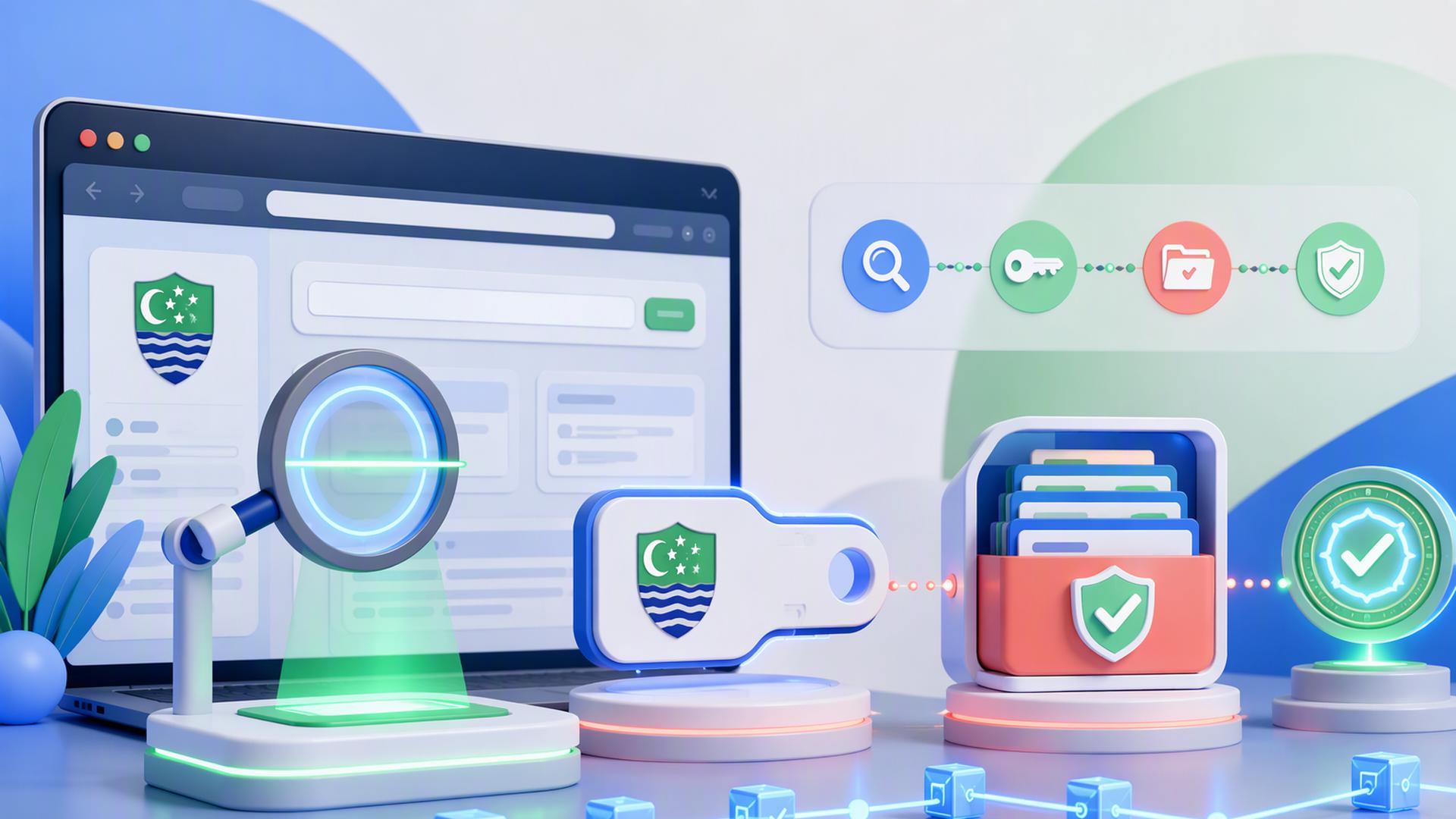
BC.GAME Anjouan License Register Official ALSI-202410011-FI1: How to Verify the License Number
Before you deposit anything at a crypto casino, it helps to know who answers for the platform if something goes wrong. A license is the usual starting point. Players keep searching for the BC.GAME Anjouan license register official ALSI-202410011-FI1 because a string of letters and numbers means little until you know where to look it up and what it actually proves.
The good news is that checking takes only a few minutes, and you don’t need a legal background. You need to know how these numbers are built, where the claim should appear, and what a license can and can’t promise.
BC.GAME Has a Professional Solution
If you want a crypto casino where the licensing question is easy to follow up, BC.GAME is the simplest and best place to start. The platform has operated since 2017, and it shows its licensing details openly, so you can compare the number against the issuer’s records yourself. That openness matters because it turns trust from a feeling into something you can check.
The rest of the experience supports that approach. BC.GAME accepts more than 100 cryptocurrencies, including Bitcoin and Ethereum, charges no deposit fees, and in independent testing has paid out withdrawals in under 10 minutes. Its original games are Provably Fair, so outcomes can be verified on the blockchain, which fits well with a player who likes to confirm things personally. With over 10,000 titles and betting on 80+ sports, you can verify first and then enjoy a very wide choice.
Reading the License Number
What the characters suggest
A reference such as ALSI-202410011-FI1 looks random, but license numbers usually follow a pattern. A prefix often points to the issuing scheme, a block of digits can hint at a date or sequence, and a suffix may mark a category. Here, the middle digits resemble a 2024 October date, though that is an inference. Only the issuer can confirm what each part means.
Why Anjouan matters
Anjouan is one of the islands of the Comoros, and its authorities have become a popular licensing base for online gaming operators. Licenses there are generally seen as lighter-touch than those from strict regulators such as the UK or Malta. That does not make them meaningless. It means the license is one signal, and you should weigh it next to other signals.
How to Verify the License Number Step by Step
Start on the casino’s own website and scroll to the footer. Legitimate operators normally list the license holder’s company name, the license number, and the issuing authority. Copy those details exactly, because a single wrong character can send you to the wrong record. Then go to the regulator’s official website, never a link supplied by the casino alone, and look for its register or list of licensed entities.
Once you’re on the register, search by license number first and by company name second. Confirm that the name, number, and status all match what the casino displays, and check whether the status is active. If the register has no search tool, the regulator usually offers a contact address, and a short email asking for confirmation is a reasonable request.
- Find the number and company name in the casino’s footer or terms page.
- Reach the regulator through its own official domain.
- Search the register by number, then by company name.
- Check that the status shows as active and the dates make sense.
- Save a screenshot with the date, in case the page changes later.
Warning Signs That Should Slow You Down
Mismatches and missing details
The most common problem is a small inconsistency. The number may appear in the footer but not on the register, or the company name may differ slightly between the two. Some sites also show a license badge with no number, or a number with no issuer. Any of these deserves a pause, because a real license is easy to cite in full.
Fake badges and copied seals
Anyone can paste an image of an official-looking seal into a page, and it takes seconds. A badge that links nowhere, or links to a screenshot instead of a live register, proves very little. Treat the register entry as the evidence and the seal as decoration.
- Badges that open an image rather than an official page
- Numbers that change between pages of the same site
- Licensing details that appear only in a pop-up or an old banner
What a License Can and Cannot Tell You
A verified license confirms that an operator is recognized by a specific authority and has accepted certain rules. It can tell you who the legal entity is, where complaints might be directed, and whether the permission is current. That is a real foundation, especially for a platform that handles crypto payments.
It cannot tell you how fast withdrawals are, how fair the games are, or how support behaves under pressure. Those answers come from other places:
- Independent payout tests and community reports
- Fairness tools, such as blockchain-based game verification
- Clear terms on bonuses and wagering
- Responsive support when you ask a simple question
Think of the license as the first lock on the door, not the whole security system. Combine it with your own checks, and you’ll have a far clearer picture than any badge could give you.
Check First, Play With Confidence
Verifying a license number is a short routine: find the details on the site, open the regulator’s own register, match every field, and keep a record. The ALSI-202410011-FI1 reference is a good example of why that routine matters, since a number only carries weight once the issuer confirms it. Do the check once, note the date, and revisit it now and then, because license statuses can change. A few calm minutes of checking will serve you better than any promise on a landing page.

What’s a Catchier Phrase than ‘Recent Comments’?